Project Overview
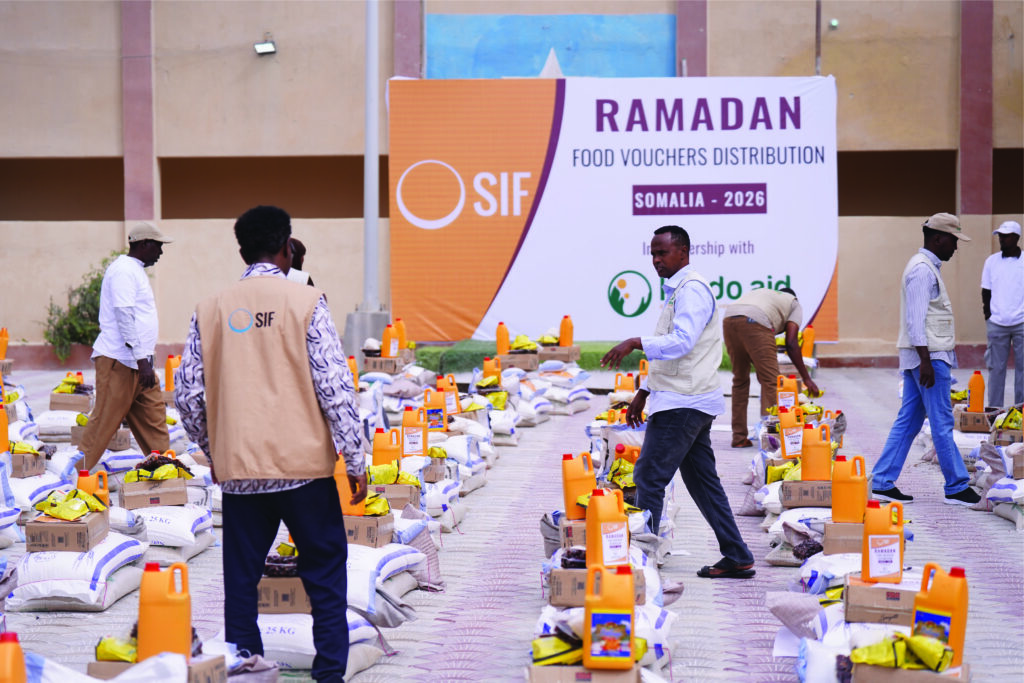
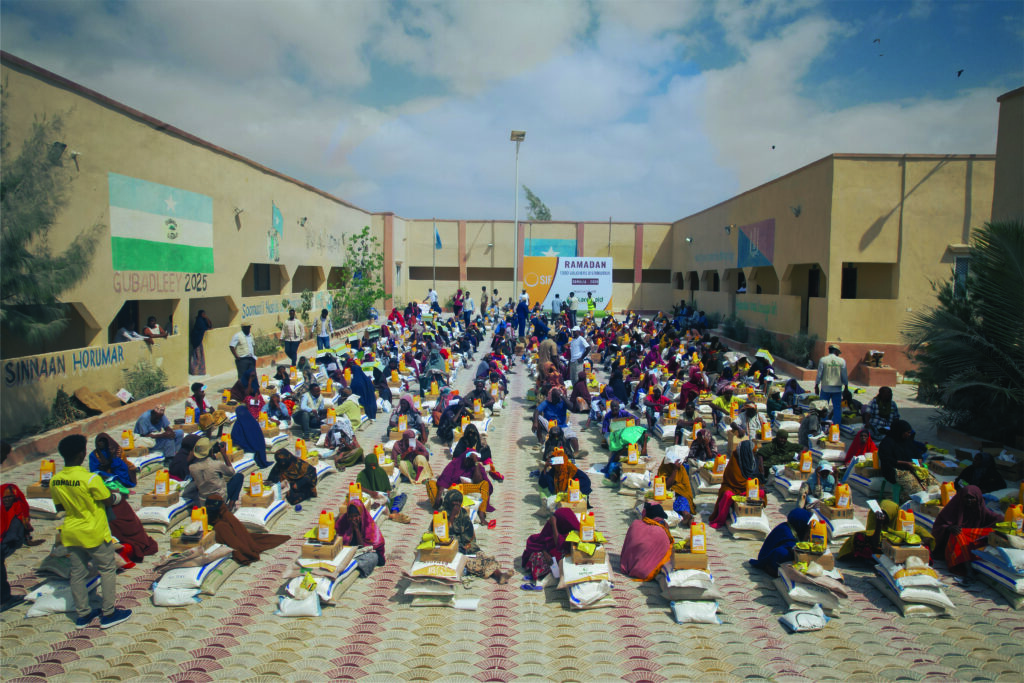
KARDO AID, in partnership with Secours Islamique France (SIF), successfully implemented the Mogadishu
Ramadan 2026 Food Assistance Project in Gubadley District, Mogadishu. The project aimed to improve
food security and preserve the dignity of vulnerable internally displaced households during the holy month
of Ramadan.
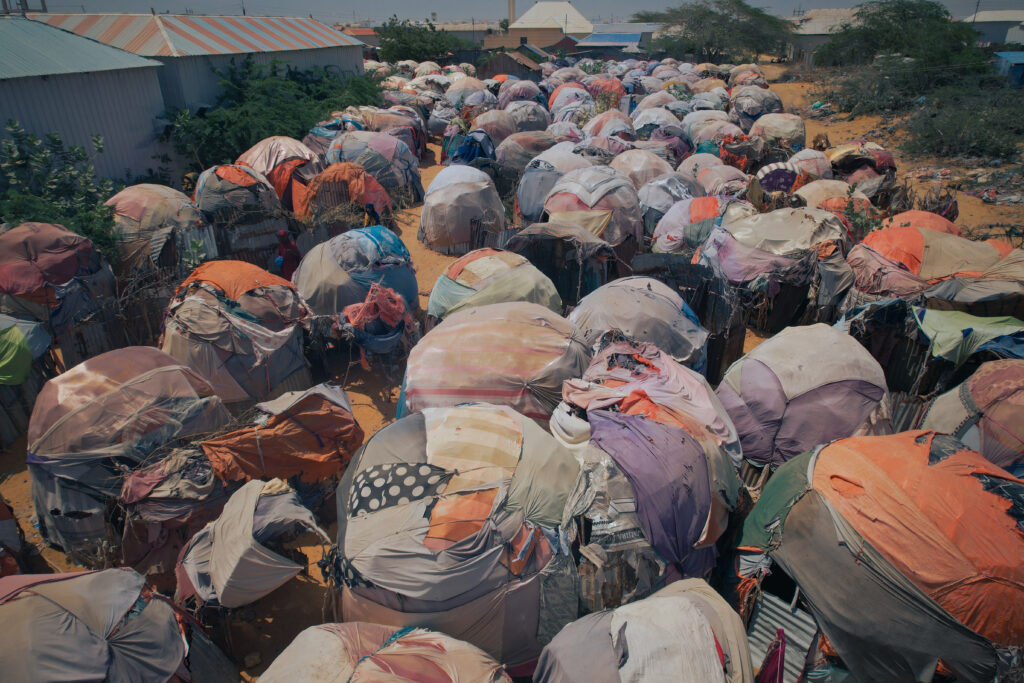
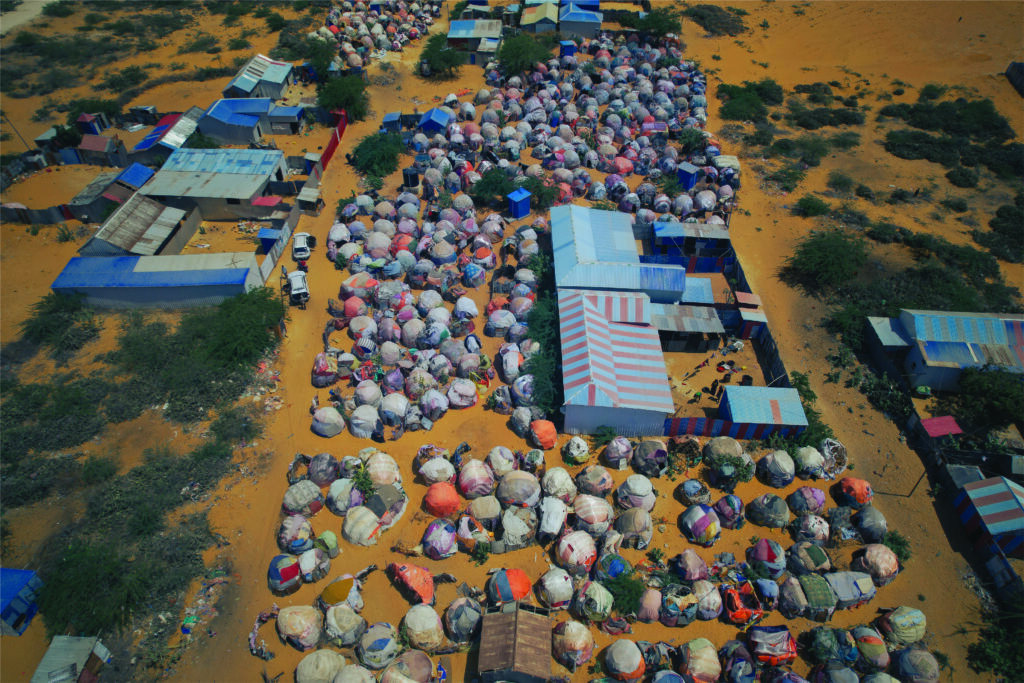
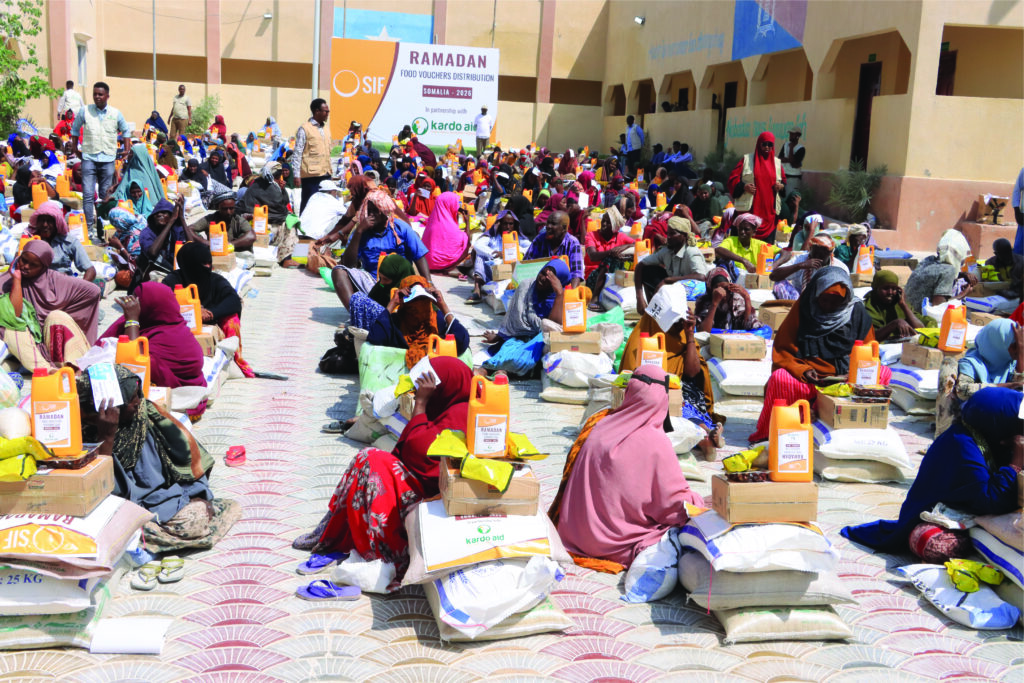
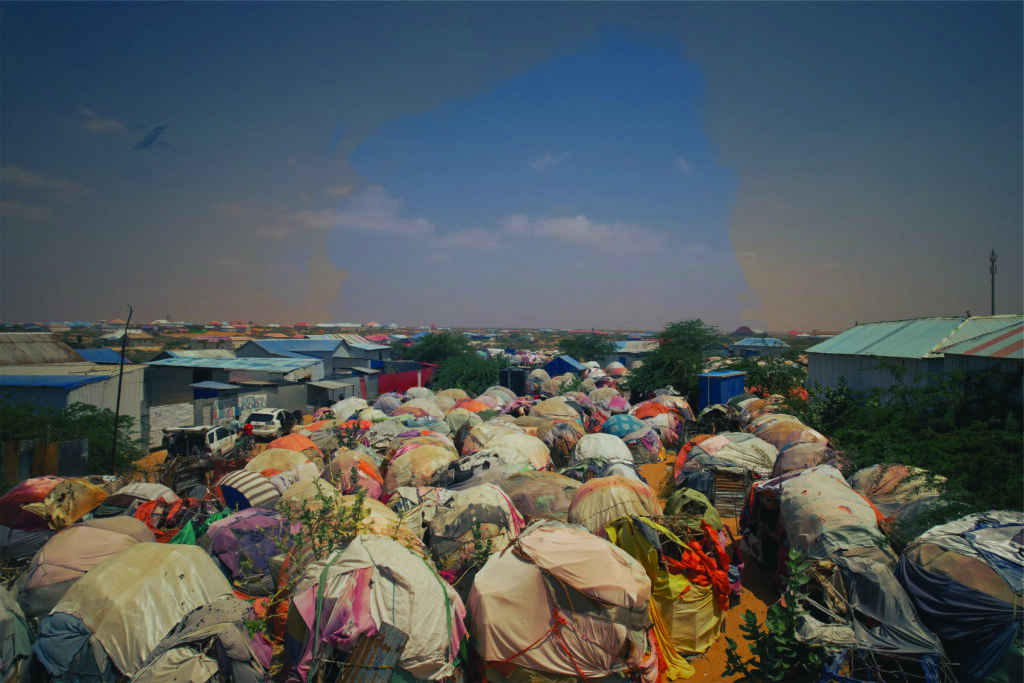
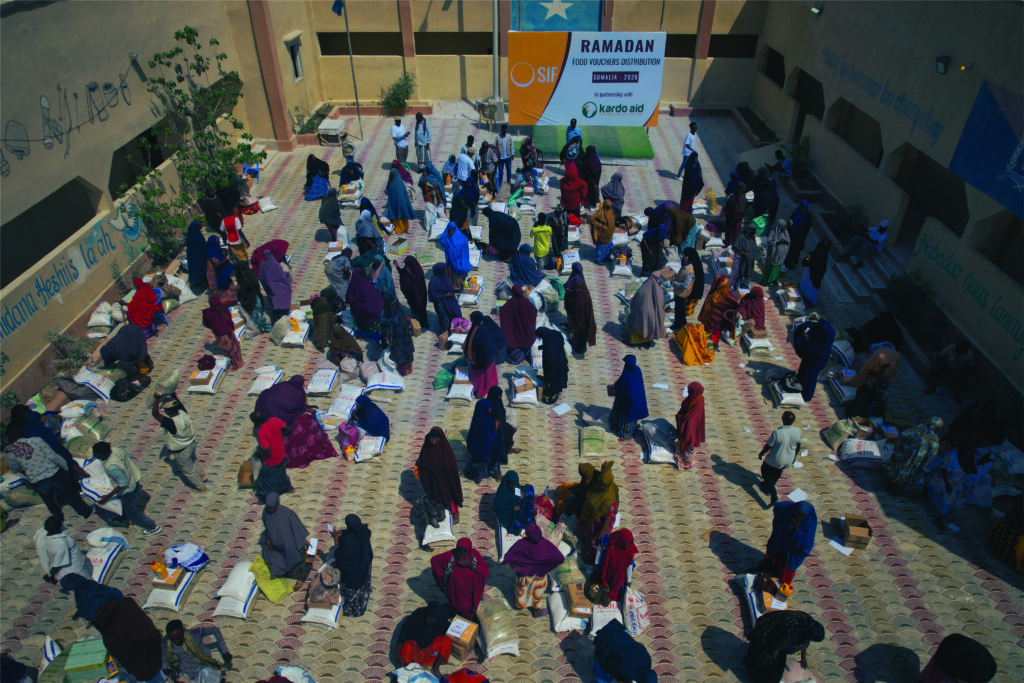
The intervention targeted highly vulnerable families living in 12 IDP camps, providing timely food
assistance through a voucher-based approach that enabled households to access essential food items
during a critical period of increased food needs.
The project was implemented between January and March 2026 and focused on supporting vulnerable
households, particularly female-headed families, elderly persons, and households with limited income
sources.
Key Activities
- Conducted coordination and inception meetings with local authorities and community leaders.
- Sensitized community representatives on beneficiary targeting and selection criteria.
- Identified and registered 200 vulnerable households across 12 IDP camps.
- Conducted baseline assessments and food security data collection.
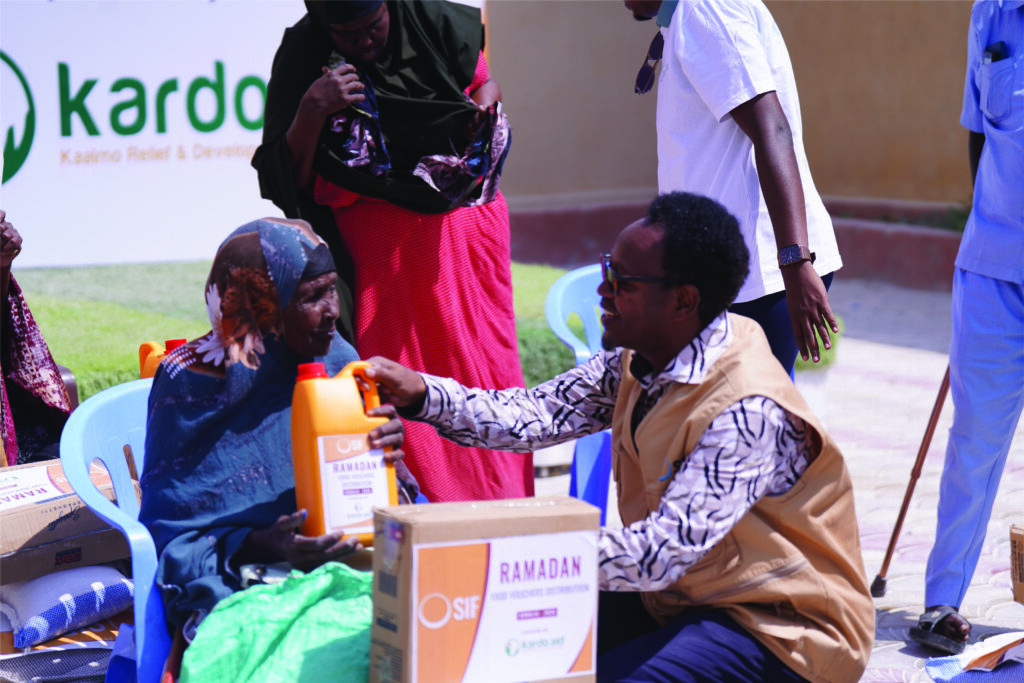
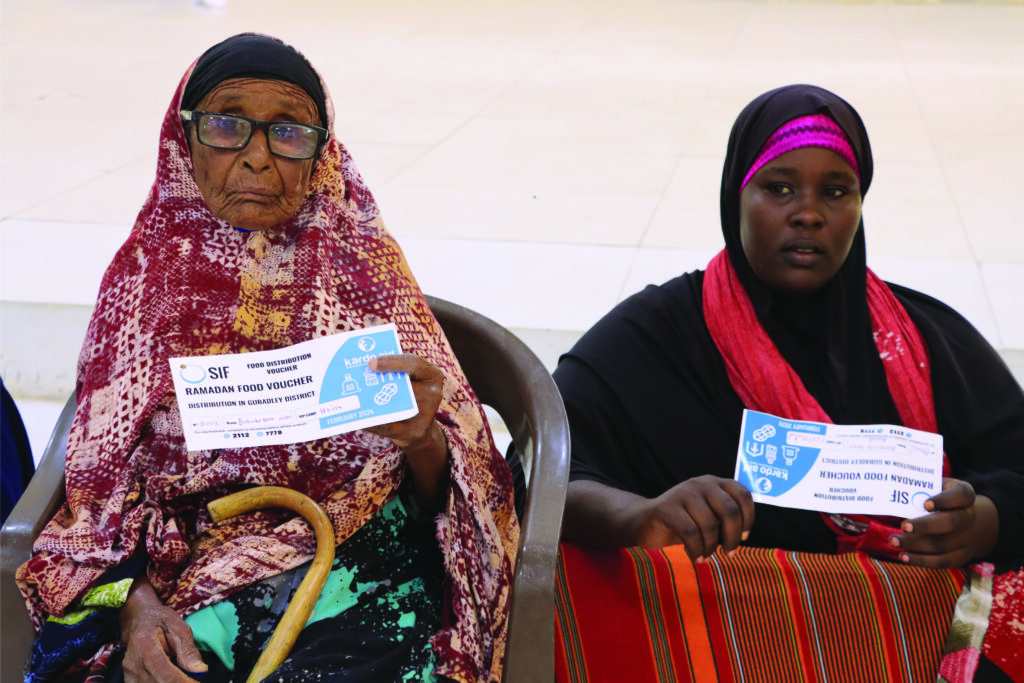
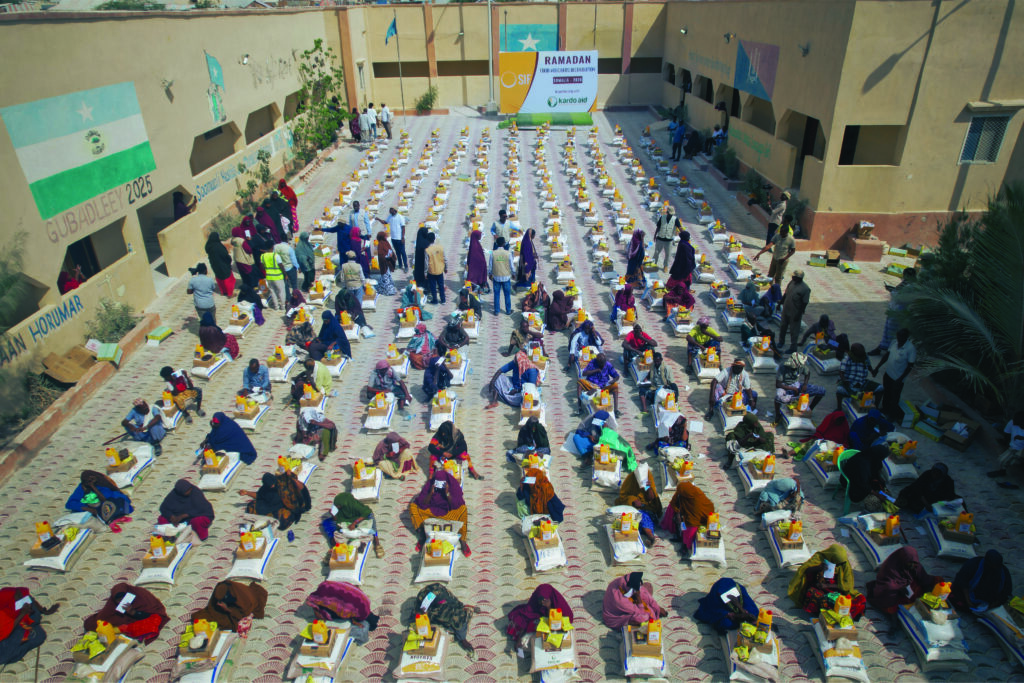
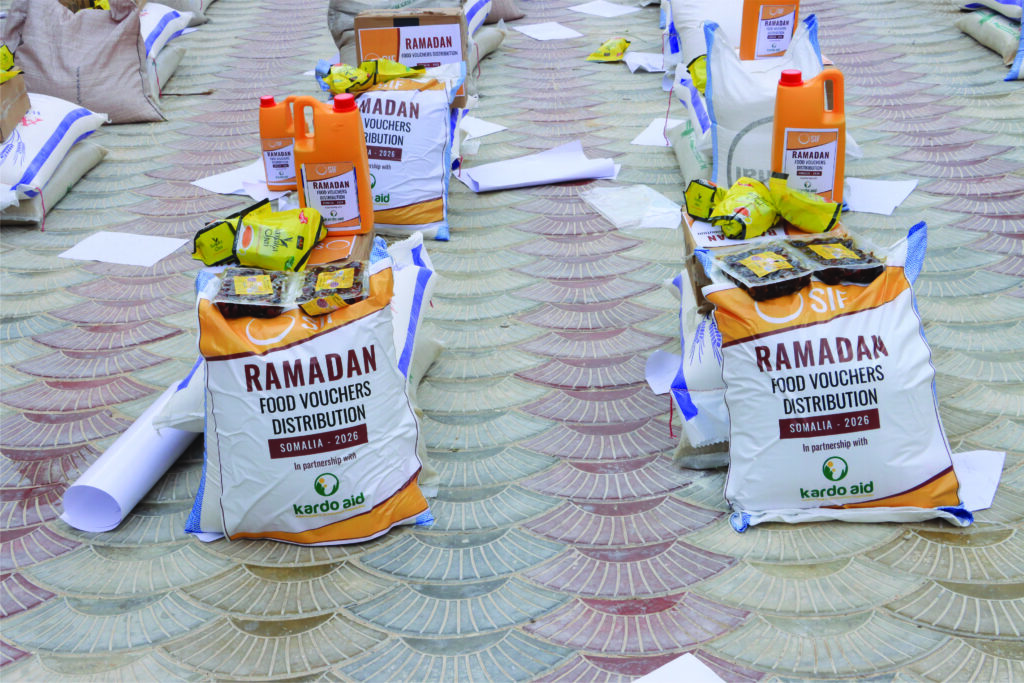
- Distributed food vouchers redeemable for essential food packages.
- Conducted Post-Distribution Monitoring (PDM) to assess project effectiveness and beneficiary
- satisfaction.
- Established feedback and complaint mechanisms to ensure accountability.
Results and Achievements
- Successfully reached 200 vulnerable households in Gubadley District.
- Achieved a 100% voucher redemption rate.
- Provided food assistance sufficient to cover household needs for approximately 15 days during
- Ramadan.
- Improved household food consumption and dietary diversity.
- Increased the percentage of households with acceptable Food Consumption Scores from 21% at
- baseline to 93% after the intervention.
- 100% of beneficiaries reported that the assistance met their basic food needs.
- 99% of beneficiaries expressed satisfaction with the quality of the food assistance.
Beneficiaries Reached
- 200 vulnerable households
- 1,629 direct beneficiaries
- 90% female-headed households
- Beneficiaries included internally displaced persons (IDPs), elderly persons, persons with
- disabilities, widows, and households with children.
Beneficiary Breakdown
- Men: 251
- Women: 342
- Boys: 496
- Girls: 540