For 80-year-old Halima Ali Jiinow, home was once a place of safety and belonging. Living in Garasweyne village in Cadale District, Middle Shabelle Region, she shared her life with an extended family of fourteen members, including her 90-year-old sister, Sharifa Ali. Like many families in the area, they relied on a small number of goats to support their livelihoods and meet their basic needs.
However, life changed dramatically in July 2023 when escalating inter-clan tensions erupted into violence. On a morning that began like any other, armed clan militia attacked Garasweyne village. The raid resulted in loss of life, widespread destruction of property, and the burning and looting of homes. Halima and her family were initially unaware of the attack until they saw flames engulfing their own house.
“We did not know what was happening until we saw our home burning,” Halima recalls. “Everything happened so quickly. We only thought about saving our lives.” Fearing for their safety, Halima and her family fled the village. What would normally have been a thirty-minute journey to a safer location became a two-hour ordeal as elderly family members, women, and children struggled to escape amid the chaos and fear. The attack left the family with almost nothing. Their home and belongings were destroyed, and the few resources they depended on for survival were lost. Already living in a fragile situation due to limited livelihood opportunities, the family found themselves pushed even deeper into vulnerability.
The violence affected not only Garasweyne but also numerous surrounding villages, including Caddaan Gaabeey, Caddoow Uul, Ceel Muluq, Gad Gaduud, Ceel Yare, Geel Gub, and Boos Hareeri. Across the area, homes were burned, properties looted, and families displaced. Many residents fled to neighboring settlements seeking safety, while others remained too traumatized to return to their villages. “The fear is still with us,” Halima explains. “Many families have not returned because they do not know what awaits them or how they will rebuild their lives.”
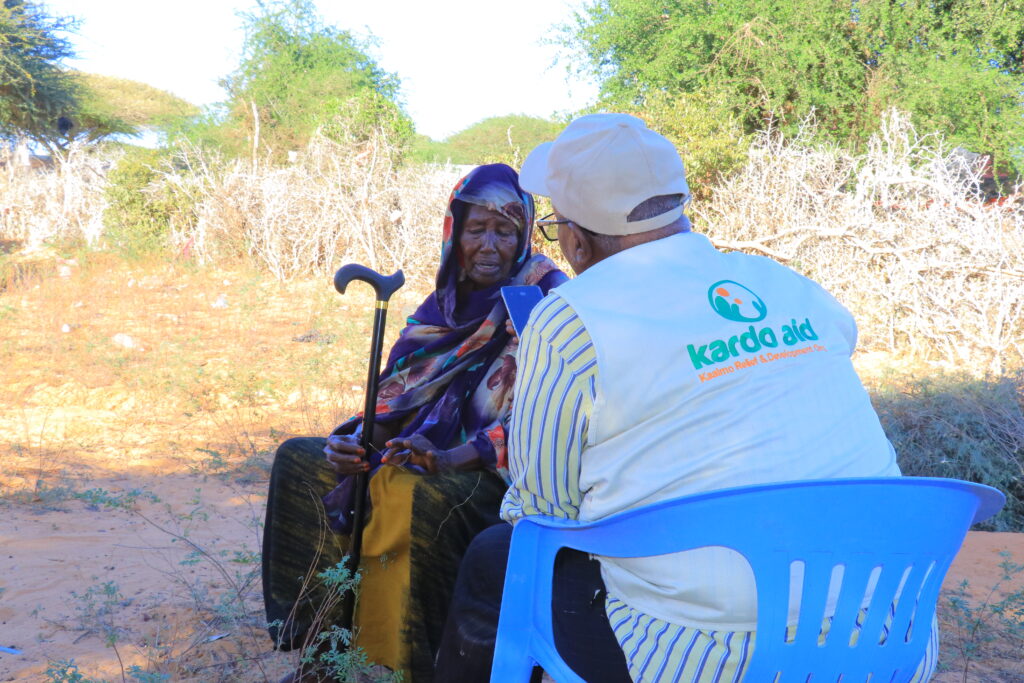
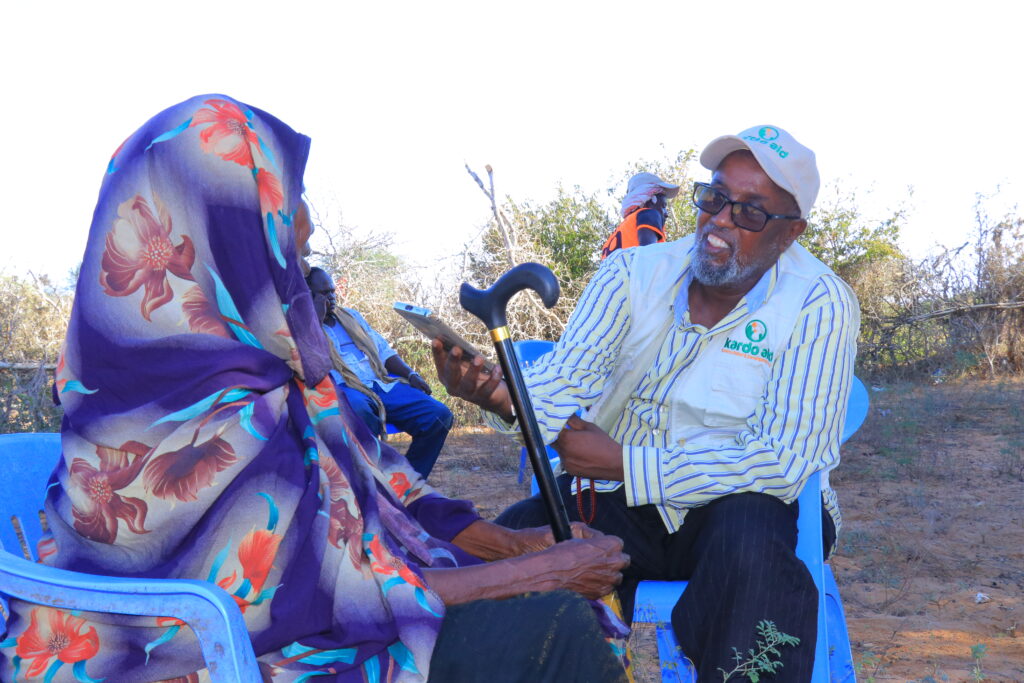
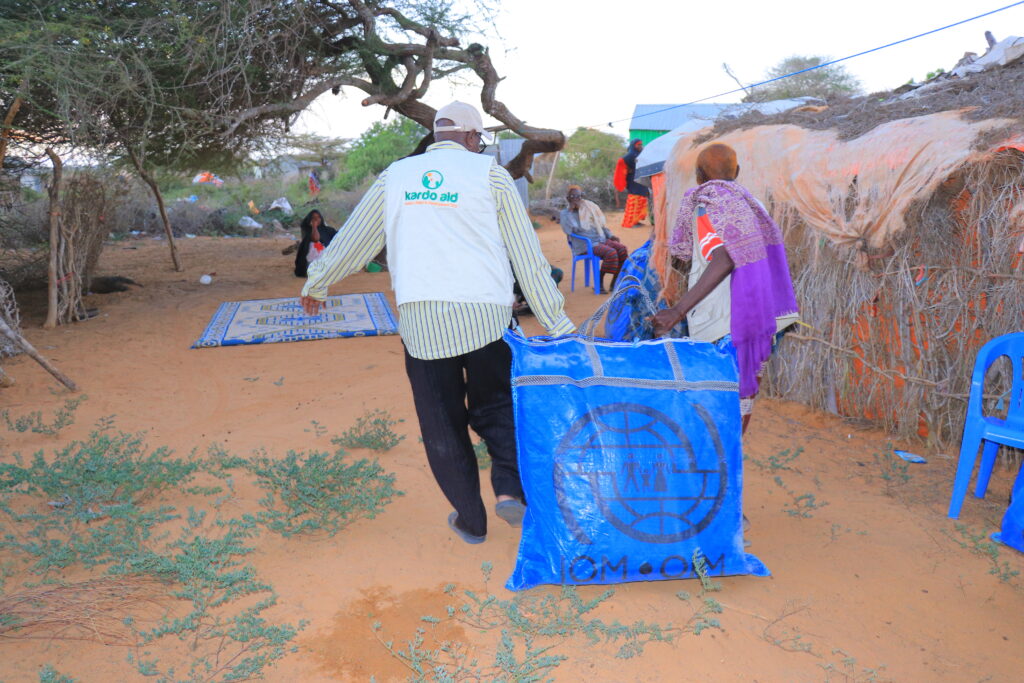
After displacement, Halima and her family sought refuge in a nearby area. However, living conditions were extremely difficult. With limited shelter, few possessions, and little support, the family struggled to meet their daily needs. Eventually, they were forced to return to their damaged home despite the unsafe and inadequate conditions.
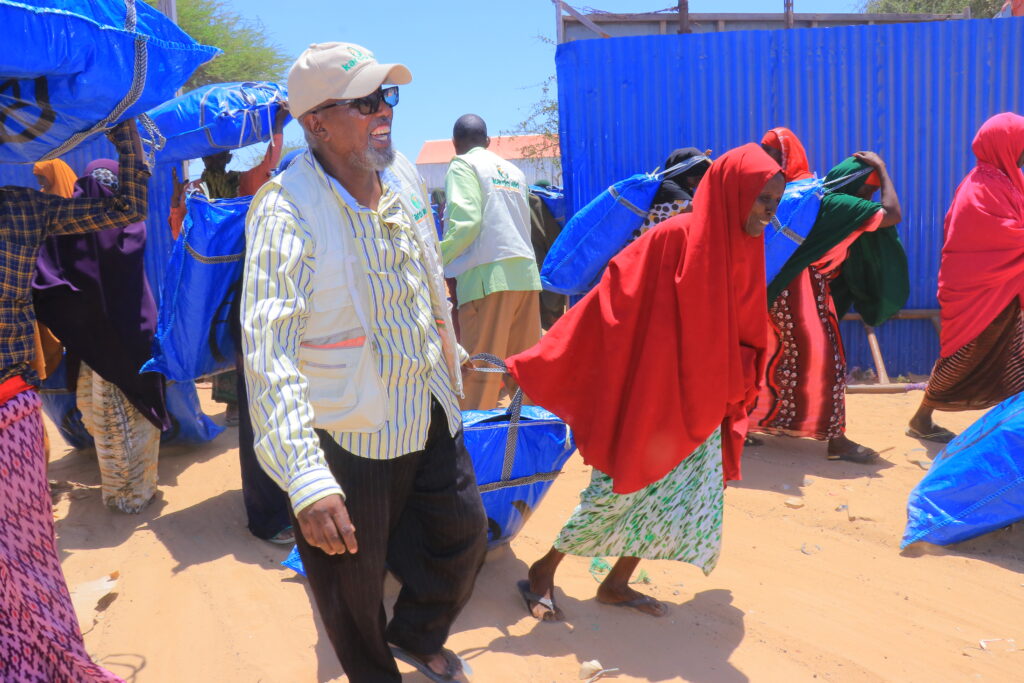
For months, the family endured hardship without assistance. Nearly a year passed before humanitarian support reached their community. Through the IOM humanitarian pipeline project implemented by KARDO AID, Halima’s family received emergency shelter assistance that helped improve their living conditions and provided a measure of protection and dignity.
“For a long time, we felt forgotten,” says Halima. “The shelter assistance gave us relief and hope. It helped us protect our family and begin recovering from what happened.” Although significant challenges remain, the assistance marked an important step toward recovery.
For an elderly woman caring for a large and vulnerable family, the support reduced some of the immediate hardships caused by displacement and conflict. Halima’s story reflects the devastating impact of inter-clan violence on rural communities in Somalia. It also demonstrates the importance of timely humanitarian assistance in helping affected families restore dignity, strengthen resilience, and begin rebuilding their lives after crisis. Today, Halima continues to hope for a future where her family can live in peace and security. While recovery will take time, the support received has reminded her that even amid loss and uncertainty, hope remains possible.